Health Tips | 28/01/2026

Tips for Healthy Eating During Ramadan

By Chirag Khiara
SSS Team, SSSPORTS.COM


The Holy month of Ramadan is a time of reflection, discipline, and spiritual growth. During this month, Muslims fast from dawn to dusk as part of one of the Five Pillars of Islam. Alongside its spiritual significance, fasting is also associated with several health benefits, such as improved insulin sensitivity, reduced inflammation, and better metabolic balance when practised mindfully.

However, long fasting hours can make it challenging to maintain energy levels and stay consistent with healthy eating and exercise routines. Understanding what to eat during Suhoor and Iftar can help support your body, keep you energised, and allow you to continue your fitness journey throughout Ramadan. Below are practical tips for healthy eating during Ramadan that balance nutrition with readability and everyday habits.

What to Eat During Suhoor?

Suhoor is the pre-dawn meal that fuels your body for the fasting hours ahead. A well-balanced suhoor should include complex carbohydrates, protein, and healthy fats to provide slow-release energy, support fullness, and reduce fatigue during the day. Here are the foods advised to eat during Suhoor.
To Eat
  1. Whole-grain foods: Oats, whole grains, and complex carbs provide slow-burning energy.
  2. Protein-rich foods: Eggs, cheese, and yoghurt help keep you feeling full and satisfied.
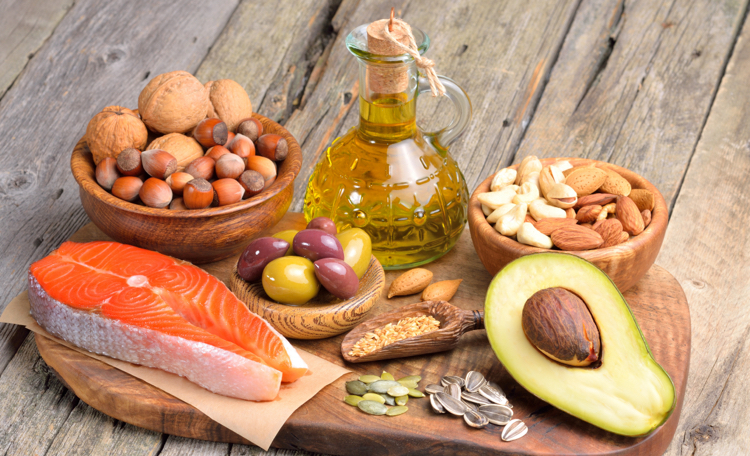
  3. Nuts and seeds: Almonds, walnuts, chia seeds, and flaxseeds can help sustain energy levels.
  4. Fruits and vegetables: Bananas, dates, and figs are high in potassium. Watermelons, apples, cucumbers, and blueberries are good sources of hydration.
To Avoid
  1. Sugary food: Sweet pastries, cakes, and refined sugars cause blood sugar spikes and crashes leading to fatigue.
  2. Salty food: Pickles, salty cheese, and processed meats can increase thirst and cause dehydration.
  3. Spicy foods: Hot and spicy foods can cause indigestion, heartburn, and discomfort.
  4. Caffeinated drinks: Drinks like coffee, tea, and energy drinks can dehydrate the body and interfere with sleep.

What to Eat During Iftar?

Iftar is the meal that breaks the fast and plays an important role in restoring energy and replenishing nutrients after a long day without food or water. Meals eaten at Iftar should focus on hydration, balanced nutrition, and gentle digestion.

  • Dates: Traditionally eaten to break the fast as they provide a quick source of natural sugar and help restore energy levels.
  • Soups: Warm soups like lentil soup or chicken soup provide hydration and nutrition.
  • Whole grains: Sources in the form of brown rice, quinoa, or bulgur provide complex carbohydrates and fiber, keeping you full and satisfied.
  • Protein-rich foods: Grilled or baked chicken, beef, or fish, are good sources of protein that help rebuild and repair the body after a long day of fasting. Vegetarian protein sources like beans, lentils, and tofu are also great options.
  • Vegetables and salads: Fresh vegetables and salads are a great source of vitamins, minerals, and fiber that support replenishing the nutrients in the body after fasting.
  • Fruit: Fresh fruit, like watermelon, grapes, and oranges, are excellent sources of natural sugar and hydration, which can help restore energy levels after fasting.

After a long day of fasting, Iftar is often a time to gather with friends and family and celebrate the spirit of Ramadan. While enjoying these moments, it is important to eat mindfully and maintain a balanced diet. This approach helps support overall health, sustain energy levels, and prepare the body for fasting the following day.

By making thoughtful food choices during Suhoor and Iftar, you can stay nourished, energised, and healthy throughout the Holy month of Ramadan.

Share with us your Suhoor and Iftar meal by tagging us @sssports on Instagram. Subscribe to our newsletter and download our app on the App Store or Google Play  for the latest updates.

DON'T STOP NOW


SSS Blog has more great stories waiting for you

Health Tips

8 Exercises to maintain muscle through Ramadan

Fasting during Ramadan does not mean losing muscle mass. With the right training approach, you…


READ MORE
Health Tips

Healthy Suhoor Recipes for Ramadan

Ramadan is a time of reflection, discipline, and balance. Alongside the spiritual focus of the…


READ MORE
Health Tips

Ramadan Greetings with Sun & Sand Sports

Ramadan is more than a month of fasting; it is a time rooted in togetherness,…


READ MORE
Health Tips

Dos and Don’ts in Ramadan

Ramadan is a holy month of spirituality and a deeply significant time in the Islamic…


READ MORE