SSS Team, SSSPORTS.COM


Those fasting during Ramadan need to start their day with foods that are filling, nourishing, and sustainable to help maintain energy levels until iftar – the time for breaking the fast. This is why Suhoor, the meal eaten early in the morning, plays such an important role during the Holy Month.
As the body releases energy throughout the day, the rate at which this happens depends on daily activity levels. During fasting hours, it becomes essential to consume foods that release energy slowly and steadily to support focus, stamina, and overall wellbeing.
Below are 10 healthy foods to eat at Suhoor that can help keep you energised throughout the day.
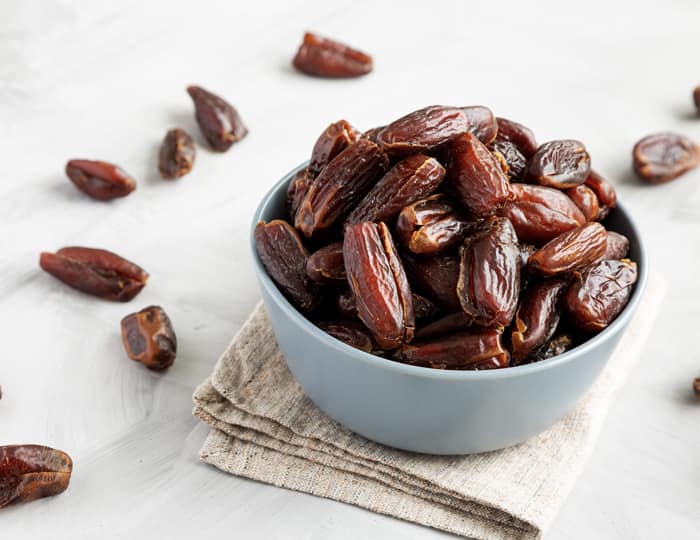
Dates are high in fibre and contain a range of essential vitamins and minerals. They are well known for providing a natural energy boost while helping to control hunger, making them ideal for both starting and breaking the fast. Their natural sugars can also help curb sweet cravings.
Yes. Dates provide quick energy from natural sugars along with minerals such as potassium, copper, and manganese. Their fibre content supports digestion and helps sustain energy levels while fasting.

Oats fuel the body with complex carbohydrates and fibre, allowing energy to be released gradually throughout the day. They can be enjoyed as a warm porridge made with milk or water, or prepared as overnight oats with berries and nuts for a convenient Suhoor option.
Oats are an excellent choice for Suhoor thanks to their slow-digesting carbohydrates and fibre. Adding nuts, seeds, or a drizzle of honey enhances both flavour and nutritional value.

Eggs are a high-quality source of protein and essential vitamins. They also contain iron and zinc, which help support energy levels and immune function during fasting. Eggs can be boiled, poached, scrambled, or cooked into an omelette to help you feel fuller for longer.
Yes. Eggs are nutrient-dense, easy to digest, and rich in protein, making them a great option for restoring and maintaining energy during fasting hours.

Avocados are rich in healthy fats and nutrients that help keep you satisfied for longer. They can be enjoyed on whole-wheat toast, paired with eggs, added to a breakfast salad, or eaten simply with a pinch of salt and pepper.
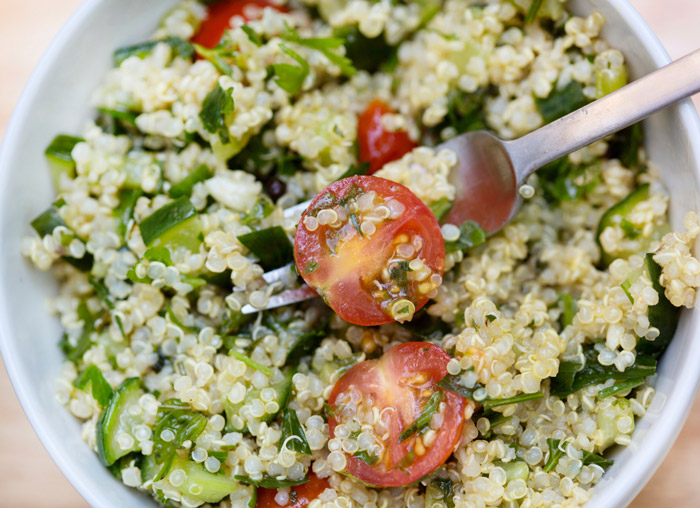
Pronounced ‘KEEN-WAH’, quinoa has become a popular healthy grain, and for good reason. It is high in fibre, relatively low in calories, and provides plant-based protein. Quinoa can be prepared as a savoury dish or paired with fruit for a lightly sweet Suhoor meal.
Quinoa should be cooked until fluffy and slightly chewy. Rinse it well to remove its natural coating, then simmer in water or broth until the liquid is absorbed and the grains are tender.
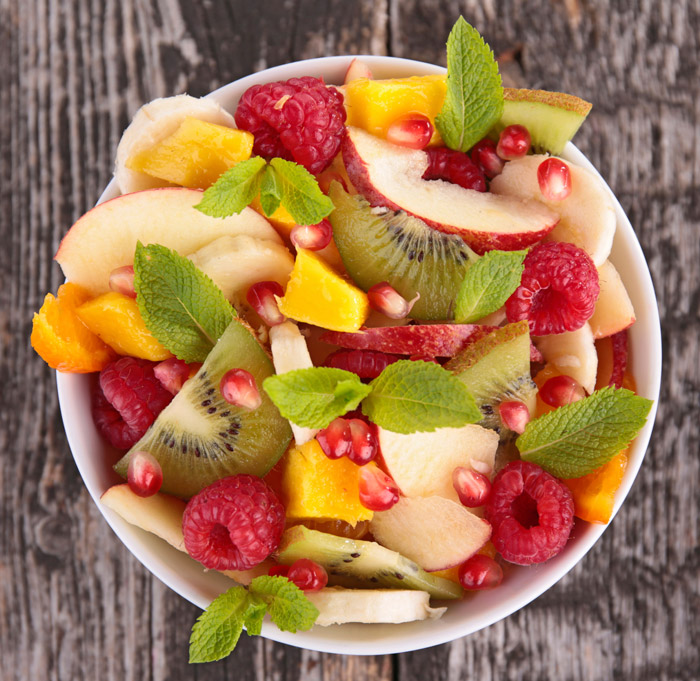
Fruits are rich in natural sugars, fibre, and vitamins, making them an excellent addition to Suhoor. Berries, bananas, and apples can be added to porridge, mixed with plain yoghurt, or blended into a smoothie with oats for a filling and refreshing meal.

Yoghurt is packed with protein, calcium, and essential vitamins. Varieties containing live and active cultures support gut health and digestion, while probiotics can help strengthen the immune system during fasting. Greek yoghurt or low-sugar organic options are ideal choices for Suhoor.
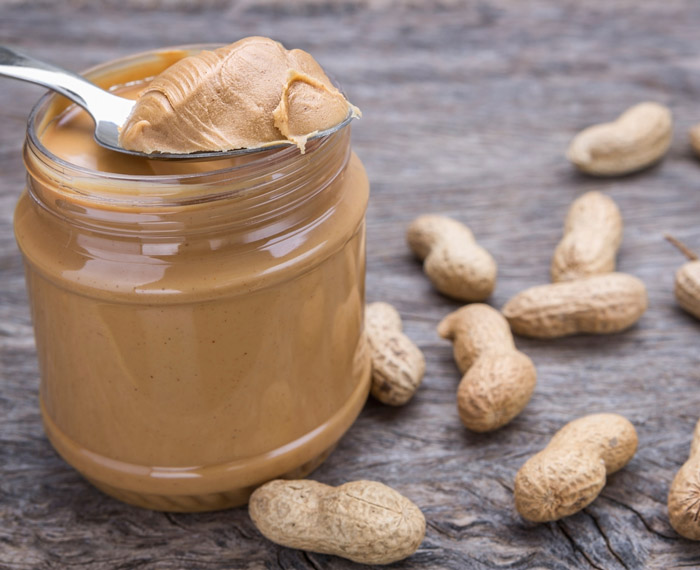
Nuts are a great source of healthy fats that release energy slowly throughout the day. Almonds and walnuts are particularly good options. Choose unsalted varieties and add them to porridge, yoghurt, or enjoy a small handful with dried fruit for added fibre.

Although vegetables may not be the first choice in the early morning, they are rich in vitamins and fibre. Try adding spinach, kale, or peppers to an omelette, or blending leafy greens into a breakfast smoothie for an easy Suhoor upgrade.
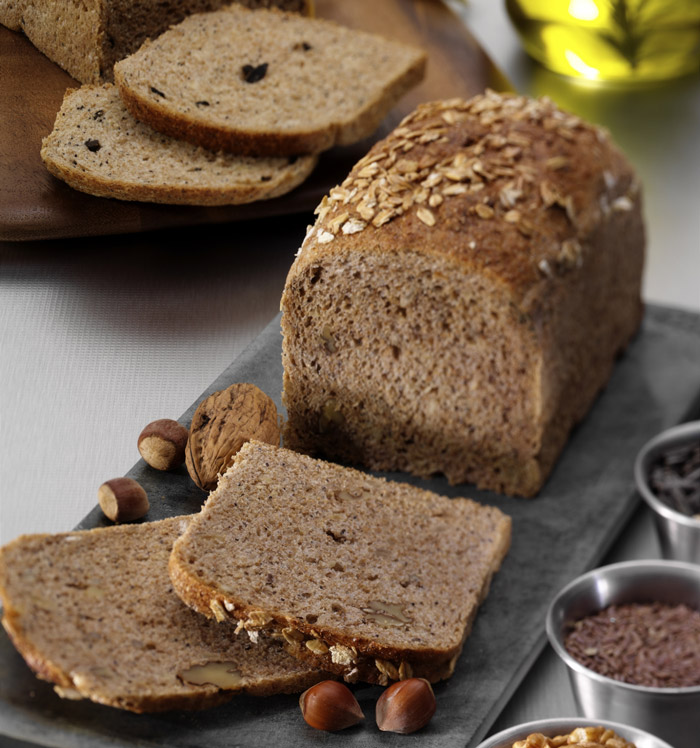
Whole-wheat bread is a healthier alternative to white bread and helps keep you fuller for longer. It is a good source of fibre and supports digestion. Enjoy it with eggs, avocado, or nut butter for a balanced suhoor meal.
Hydration is essential during Ramadan, yet it is often overlooked. Drinking enough water at suhoor helps maintain energy levels, supports muscle function, aids digestion, and keeps the body functioning properly. Aim to drink at least two glasses of water at suhoor to stay hydrated throughout the day.
Choosing the right foods at suhoor can make a noticeable difference in how you feel while fasting. By focusing on balanced meals, slow-release energy foods, and proper hydration, you can stay energised and make the most of this Holy month.
Subscribe to the Sun & Sand Sports newsletter to stay updated on all the latest from our blog and all of the latest Ramadan offers across our range of stores.

Fasting during Ramadan does not mean losing muscle mass. With the right training approach, you…

Ramadan is a time of reflection, discipline, and balance. Alongside the spiritual focus of the…

The Holy month of Ramadan is a time of reflection, discipline, and spiritual growth. During…